


This past weekend, Special Olympics Virginia brought athletes, coaches, area leaders, families, and community fitness professionals together in Culpeper for the Fitness Collaborative. Hosted at Culpeper Fieldhouse, the two-day event was designed around one core idea: inclusive fitness works best when people learn from one another and leave with tools they can actually use.
The weekend kicked off with a keynote from Alycia Anderson, setting the tone for the collaborative. Her message centered on inclusion as a practice, not a concept, and challenged attendees to think differently about access, assumptions, and how environments are built for athletes with disabilities. That framing carried through the rest of the weekend.
Saturday focused heavily on strength coaching, mental health, and practical application. After panel discussions with fitness and physical therapy professionals, participants moved into hands-on activities where they could practice techniques, ask questions, and work through real scenarios they see in their programs and gyms. Sessions were built to encourage interaction, not observation, giving attendees the chance to test ideas and learn directly from one another.
Mental health was also a key part of the conversation, reinforcing the idea that fitness is not limited to physical movement alone. These discussions helped connect training, mindset, and overall well-being in a way that felt relevant and usable.
New this year, 12 athletes took part in the Fitness Captains program, an athlete-focused track running alongside the collaborative. These athletes spent nearly the full Saturday schedule learning how to bring fitness concepts back to their teams. Fitness Captains will now return to their programs prepared to help lead warm-ups, encourage consistency, and support teammates in building healthier routines.


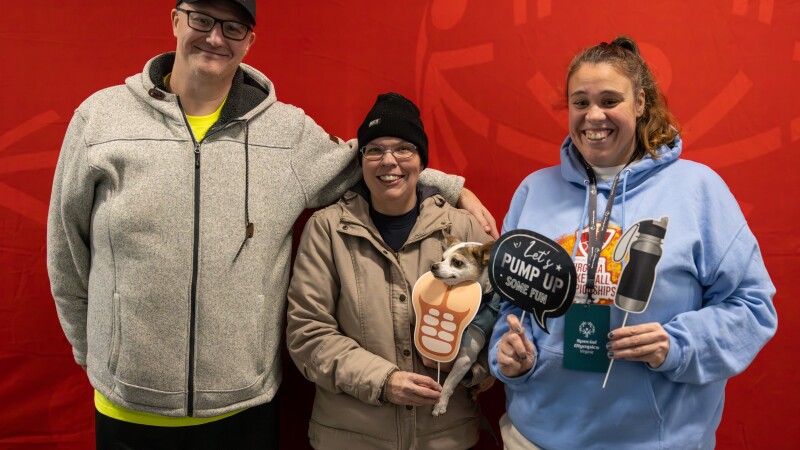
Sunday shifted toward community integration and long-term sustainability. Panels and sessions explored how fitness can extend beyond scheduled practices and into daily life, highlighting ways communities, programs, and fitness spaces can work together. Movement-based sessions and table discussions gave participants space to reflect, share experiences, and make connections across roles and regions.
By the end of the weekend, the takeaway was clear. The Fitness Collaborative is not about checking boxes or attending sessions. It is about people connecting, learning by doing, and leaving with ideas they are confident bringing back to their athletes, teams, and communities across the Commonwealth.
